Event planning continues to evolve as hosts seek fresh ways to engage guests. In recent years, tapas catering has gained popularity for its flexibility and variety. These small, flavorful dishes allow attendees to experience diverse tastes in a single meal. As 2026 approaches, catering services are adopting new trends that reflect culinary innovation and guest preferences. Understanding these trends can help event organizers plan menus that leave a lasting impression.
Emphasis on Seasonal Ingredients
A growing focus on seasonal ingredients shapes many upcoming tapas menus. Chefs are increasingly selecting produce that is at its peak freshness, creating vibrant flavors and visually appealing presentations. Seasonal items not only enhance taste but also reduce environmental impact. For instance, locally sourced vegetables, fruits, and herbs provide a natural appeal that resonates with eco-conscious guests. The use of fresh, seasonal ingredients allows for a rotating menu that keeps offerings exciting throughout the year.
Creative Presentation Styles
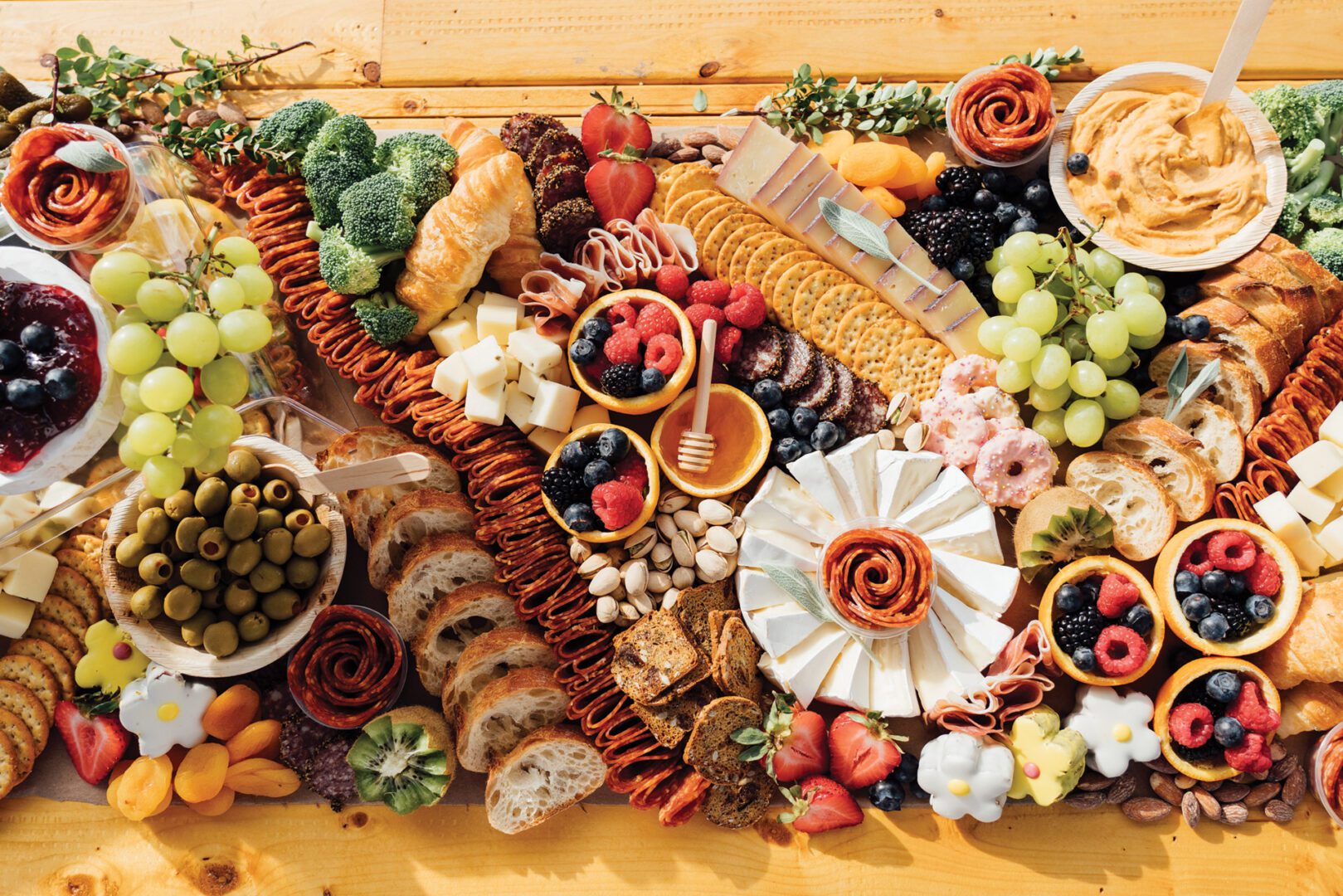
Visual appeal has become as important as taste in tapas catering. Creative presentation styles engage multiple senses, making the dining experience memorable. Miniature arrangements, edible flowers, and artistic plating techniques are gaining traction. Serving dishes in small, interactive portions encourages guests to explore different flavors. Additionally, visually striking presentations often prompt social media sharing, extending the event’s reach. This trend highlights the importance of aesthetics in catering without compromising the quality of the food.
Dietary Awareness
Modern diners increasingly expect options that cater to dietary preferences and restrictions. Tapas menus in 2026 are likely to include gluten-free, vegan, and low-sodium alternatives. Chefs are crafting dishes that retain bold flavors while accommodating specific needs. This approach ensures inclusivity, allowing all guests to enjoy the event without concern. Clear labeling and thoughtful menu planning contribute to a smoother dining experience. As dietary awareness rises, catering services that respond to these demands will stand out.
Interactive Food Stations
Interactive food stations provide an engaging alternative to traditional service. Guests can witness their meals being prepared, fostering a sense of connection with the chefs. Tapas catering often incorporates stations where ingredients are combined in real-time, allowing customization. This trend encourages conversation and participation, transforming dining into a social experience. Interactive stations also offer a practical solution for events with diverse guest groups. They provide flexibility without sacrificing quality or variety.
Fusion Flavors
The blending of culinary traditions continues to shape tapas menus. Fusion flavors introduce new tastes while respecting classic techniques. Chefs combine elements from different cuisines to create dishes that surprise and delight. For instance, Asian spices may enhance traditional Spanish tapas, or Mediterranean herbs might complement unexpected proteins. This experimentation reflects a desire to offer unique experiences rather than predictable options. As a result, fusion dishes add an element of excitement that appeals to adventurous palates.
Sustainable Practices
Sustainability has become a key consideration in catering services. Tapas catering in 2026 is expected to adopt practices that minimize waste and reduce environmental impact. These measures include using biodegradable packaging, repurposing leftovers, and sourcing ingredients locally. By emphasizing sustainability, event organizers demonstrate a commitment to responsible practices. Guests increasingly appreciate these efforts, associating the experience with ethical choices. This trend aligns with a broader movement toward conscious consumption in the food industry.
Portion Control and Variety
Tapas catering naturally lends itself to portion control and variety. Small servings allow guests to sample multiple dishes without feeling overwhelmed. In 2026, this trend is likely to continue with an emphasis on balanced options. Chefs may create tasting platters that mix textures, colors, and flavors. The result is a menu that accommodates diverse tastes and promotes mindful eating. Offering variety also encourages conversation, as guests share opinions and recommendations with one another.
Technology Integration
Technology is playing a subtle yet significant role in event catering. Online menus, digital ordering systems, and contactless payment options enhance efficiency. Some venues use tablets or apps to track guest preferences in real-time. While the food remains the primary focus, these tools help streamline service and reduce wait times. The integration of technology allows catering staff to provide personalized experiences without interrupting the social flow of events.
Beverage Pairing
Thoughtful beverage pairing is becoming a defining feature of tapas catering. Wines, craft beers, and non-alcoholic options complement flavors and enhance enjoyment. Sommeliers and beverage experts are increasingly consulted during menu planning. Pairings may consider acidity, spice, and texture to create harmonious combinations. Properly paired beverages elevate small plates from simple snacks to a cohesive culinary journey. Events that highlight these combinations provide a refined experience that guests remember.
Emphasis on Storytelling
Guests appreciate understanding the inspiration behind the dishes they consume. Storytelling adds depth to the tapas experience by connecting food with culture and tradition. Chefs may explain ingredient choices, regional origins, or unique preparation techniques. This approach enriches the dining experience, turning a meal into a conversation starter. Storytelling also allows hosts to convey their vision, adding a personal touch without relying on promotional language. It transforms dining from passive consumption into active engagement.
Hygiene and Safety Standards
Maintaining high hygiene and safety standards remains critical in catering. Tapas catering in 2026 emphasizes sanitary food preparation, proper handling, and transparent practices. Visible hygiene measures reassure guests and demonstrate professionalism. Staff training, clean workspaces, and consistent monitoring are essential components. In addition, proper storage and serving methods ensure that quality and safety are maintained from kitchen to table. These practices instill confidence in both hosts and attendees.
Event-Specific Customization
Tailoring menus to fit specific event themes or goals continues to gain popularity. Tapas catering allows for creative adaptations that reflect the occasion. Seasonal, cultural, or celebratory motifs can influence ingredient selection and presentation. Customization ensures that menus feel thoughtful rather than generic. Event organizers can use this flexibility to reinforce brand identity, celebrate milestones, or highlight personal touches. The ability to adapt to different contexts makes tapas an appealing choice for diverse gatherings.
Conclusion
As 2026 approaches, tapas catering continues to evolve in response to culinary trends and guest expectations. Seasonal ingredients, creative presentation, dietary inclusivity, and sustainable practices define the current direction. Interactive stations, fusion flavors, beverage pairings, and storytelling further enhance the experience. Technology integration and attention to hygiene support efficient and safe service. These trends collectively reflect a shift toward more engaging, thoughtful, and memorable events. For hosts and planners, understanding these trends ensures that tapas offerings provide variety, quality, and delight for every attendee. Selecting the right catering approach, including options for tapas catering in Perth, can elevate events while meeting modern preferences.